
by Suman Gupta
₹36,441-crore Khelo India Scheme targets 10-fold expansion in athlete support; focus on scientific talent identification, sports infrastructure, coaching, sports science and technology
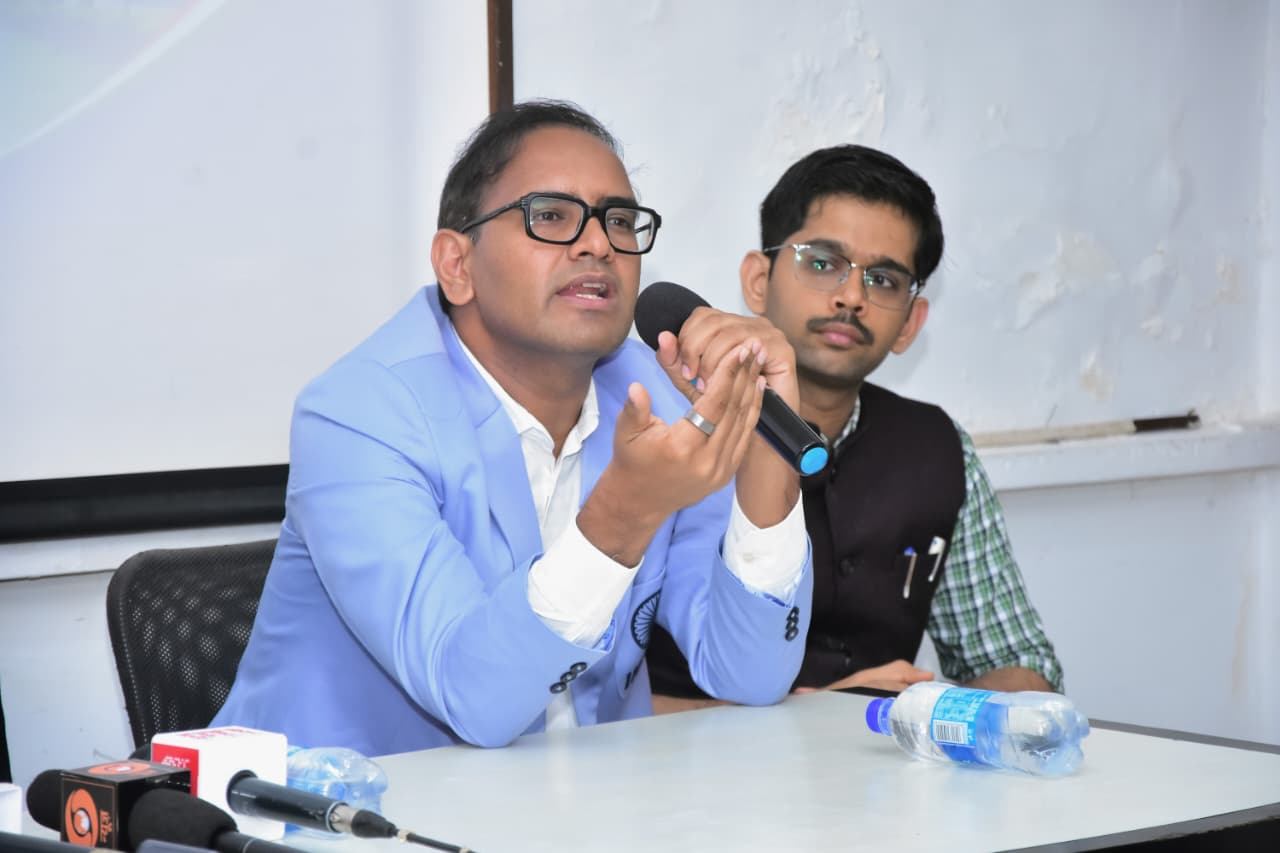
Mumbai, 18 August 2026: The Sports Authority of India (SAI), Regional Centre Mumbai, today organised a press interaction on the Khelo India Revamped Scheme (2026–31), highlighting the Government of India’s expanded vision to strengthen India’s sporting ecosystem and create a seamless pathway for athletes from grassroots participation to national and international sporting excellence.
With Maharashtra being one of India’s leading sporting ecosystems, the interaction focused on how the expanded Khelo India framework can further strengthen the State’s sporting pathway — from schools and grassroots talent identification to Khelo India Centres, Emerging Khelo India Athletes, high-performance training, competitions and ultimately the national and international stage.
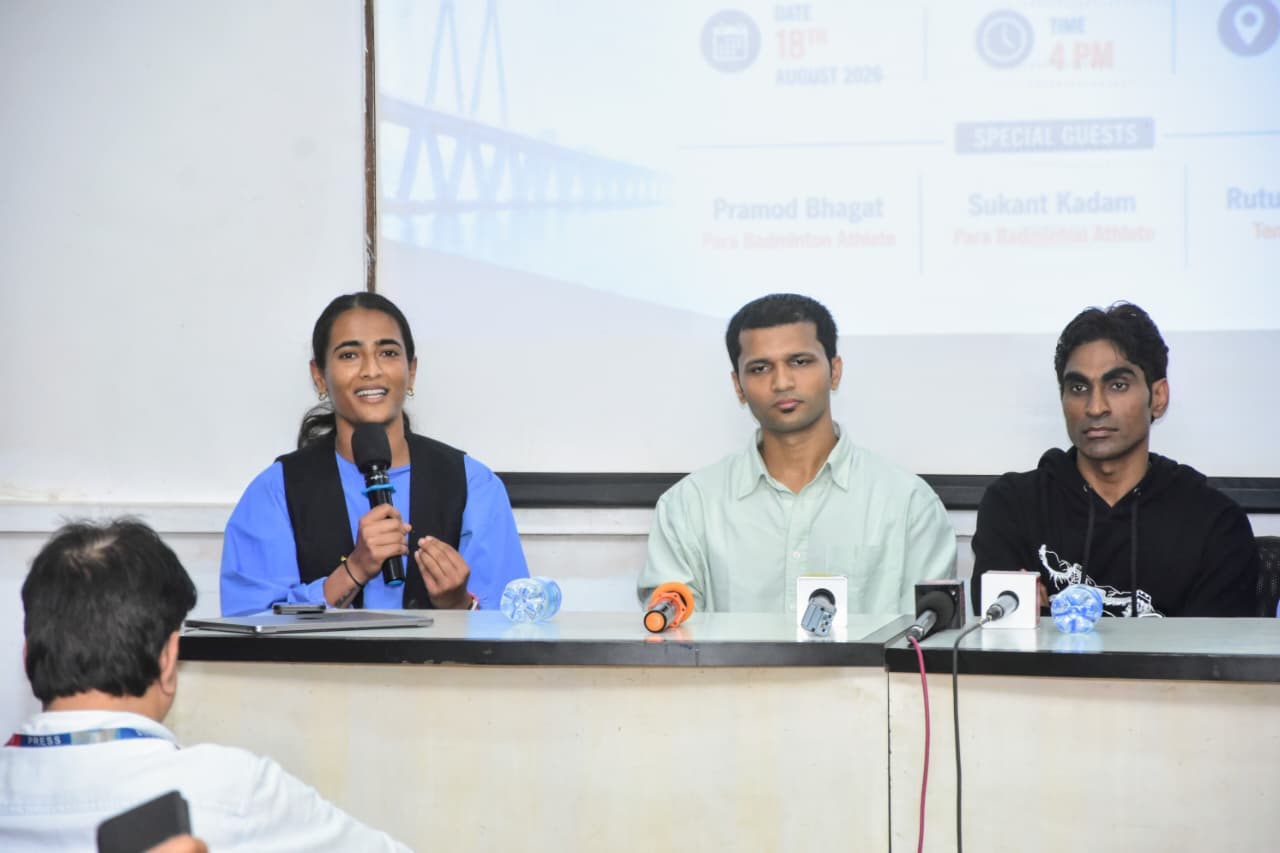
The revamped Khelo India Scheme represents a significant expansion of the Government’s investment in sports, with an outlay of ₹36,441 crore for 2026–31, approximately eight times the previous outlay. The scheme aims to expand the number of athletes supported by nearly 10 times, creating a much larger and more structured sporting ecosystem across the country.
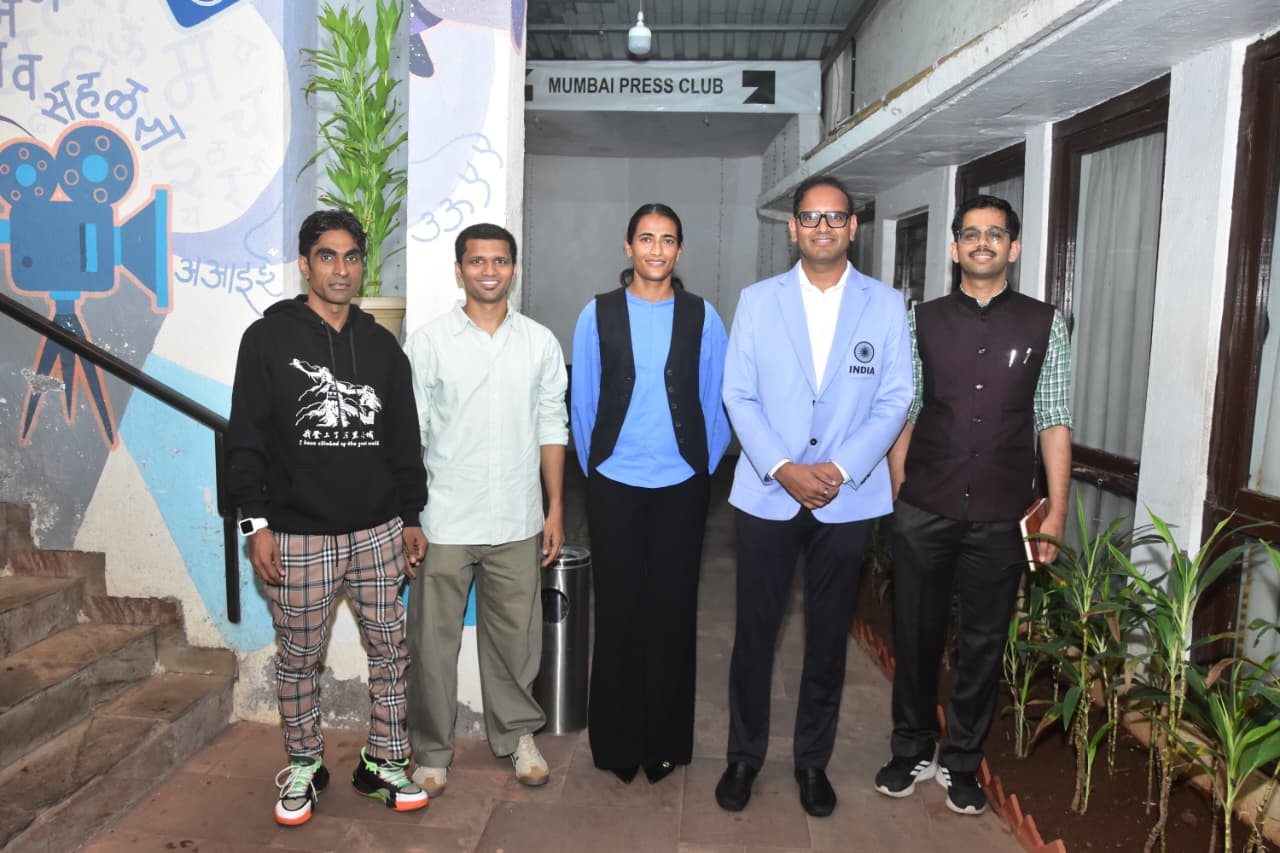
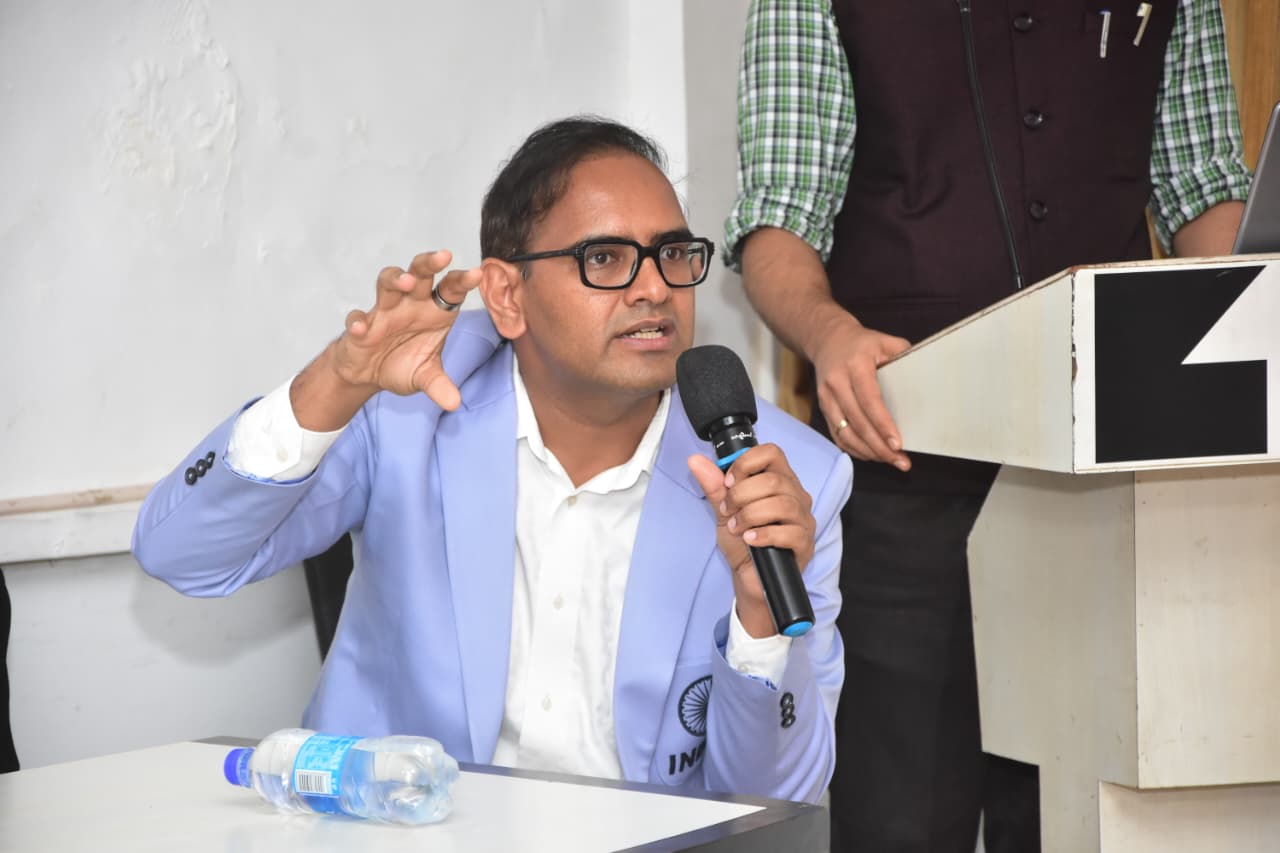
The interaction was attended by Shri Pandurang Chate (IRS), Regional Director, SAI Regional Centre Mumbai, along with Shri Ankit Patil, Assistant Director, SAI Regional Centre Mumbai, and distinguished Indian sportspersons Shri Pramod Bhagat, Padma Shri awardee, Major Dhyan Chand Khel Ratna Awardee, Paralympic Gold Medallist and multiple-time World Champion in Para-Badminton; Shri Sukant Kadam, BWF World Championship Gold Medallist in Para-Badminton; and Ms. Rutuja Sampatrao Bhosale, Asian Games Gold Medallist in Tennis.
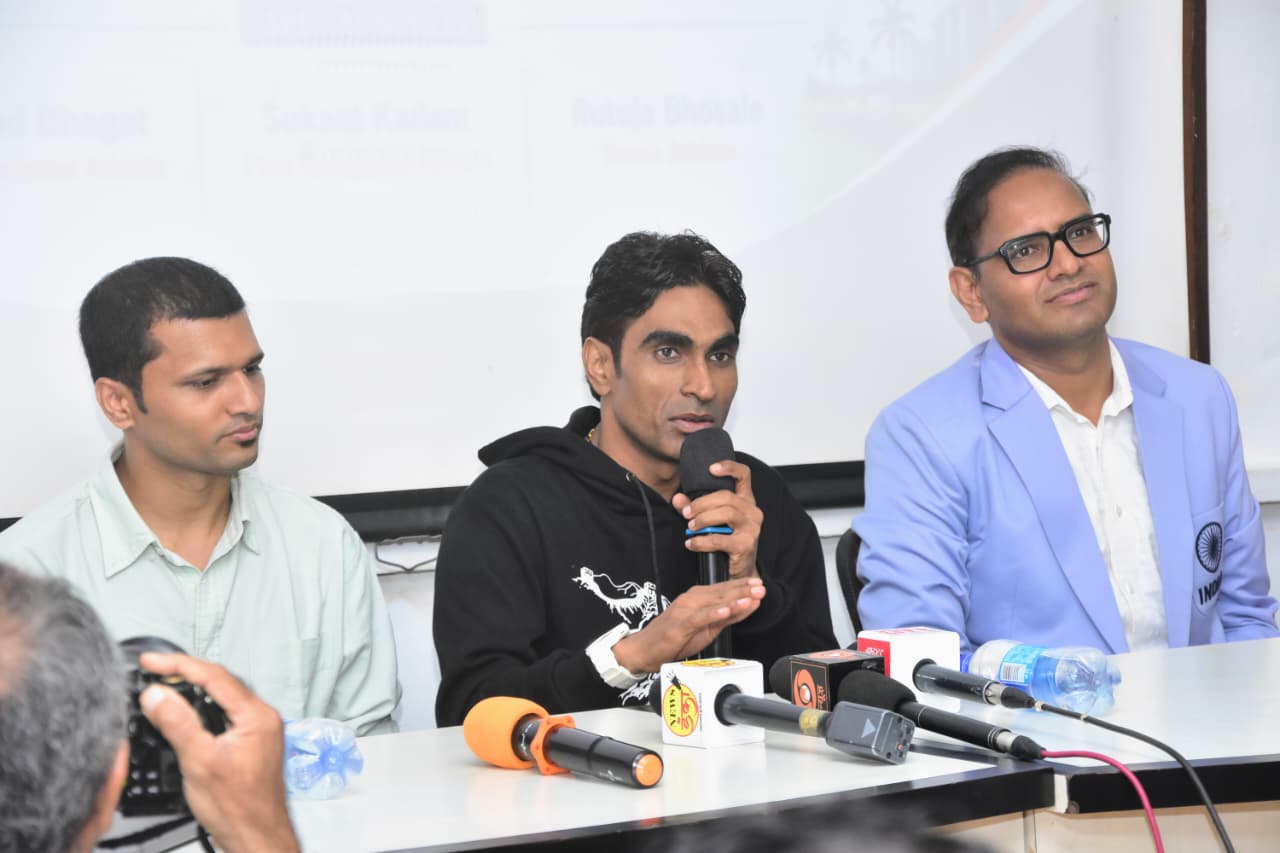
Building a stronger Maharashtra-to-podium pathway
The revamped Khelo India framework provides an opportunity to strengthen Maharashtra’s existing sporting ecosystem by connecting different stages of an athlete’s development into a more coherent pathway.
The focus is not merely on creating additional sporting centres, but on ensuring that a young athlete can be identified early, receive structured training and support, gain regular competition exposure and progressively move towards high-performance sport.
For Maharashtra, this approach is particularly relevant given the depth of sporting talent across Mumbai and other districts. While Mumbai has the potential to function as a major high-performance sporting hub, strengthening sporting facilities and opportunities across districts will be critical to ensuring that talent from across the State has access to appropriate infrastructure, coaching and competition.
Speaking on the occasion, Shri Pandurang Chate (IRS), Regional Director, SAI Regional Centre Mumbai, said:
“The revamped Khelo India Scheme represents a fundamental shift towards building a complete sporting pathway rather than looking at sports development as a collection of individual initiatives. Maharashtra has a strong sporting culture and a deep pool of talent, and our objective must be to connect that talent to the right opportunities at every stage — from schools and grassroots centres to structured training, competition and high-performance sport. Mumbai has the potential to emerge as a strong high-performance hub, while strengthening facilities across Maharashtra’s districts will help ensure that talent is identified and nurtured closer to where it comes from. The ultimate objective is to create a seamless pathway through which a young athlete can progress from the grassroots to the podium.”
Nine key components to drive sporting excellence
The revamped Khelo India Scheme is built around nine key components covering sports infrastructure; sports competitions and leagues; talent identification and Khelo India Training Facilities; coach and support staff development; the Fit India Movement; and Sports Technology, with infrastructure itself divided into three focused areas.
 A major pillar of the scheme is a three-pronged sports infrastructure strategy comprising Sports Infrastructure for Medal Strategy, Strengthening Strategic Sports Assets, and State Action Plan for Sports Infrastructure Development.
Existing sporting infrastructure will be mapped across Olympic, Asian Games and Commonwealth Games disciplines, with gap analysis to identify facilities that require upgradation and areas where new infrastructure may be required. The approach is intended to align infrastructure development more closely with medal objectives and sporting potential.
The State Action Plan for Sports Infrastructure Development will also give States a greater role in building and strengthening sporting infrastructure. The framework provides for a 60:40 Centre-State cost-sharing model, with funding linked to outcomes such as talent progression, athlete retention, grassroots-to-elite transition and reform-based milestones.
Scientific talent identification and 30,000-athlete support framework
 A key feature of the revamped scheme is the creation of a standardised, scientific and technology-enabled national talent identification system.
The framework envisages Khelo India Utkrishta Vidyalayas, Khelo India Feeder Schools and Khelo India Centres, creating a wider network through which talent can be identified and nurtured systematically.
The scheme further envisages support for athletes across all major sports disciplines, comprising Khelo India Athletes (KIA) and Emerging Khelo India Athletes (E-KIA). The introduction of E-KIAs is particularly significant in strengthening the transition between grassroots talent identification and elite competition.
Athlete support under the framework extends beyond training. Khelo India athletes will receive assistance covering coaching, diet and lodging, sports kits, travel, competition exposure, medical care and education, supported by sports-science professionals.
More competitions and greater opportunities for athletes
The revamped scheme will strengthen the competition ecosystem through school, university, regional, zonal and sport-specific leagues, providing athletes with more regular opportunities to compete and gain experience.
Alongside the flagship Khelo India Youth Games and Khelo India University Games, the scheme provides for Khelo India Para Games, Winter Games, Beach Games, Tribal Games and Water Sports, as well as the ASMITA Women League.
For athletes in Maharashtra, a stronger competition ecosystem can help bridge the gap between training and high-performance sport by providing regular opportunities to compete, assess performance and gain exposure.
Professionalising coaching and sports science
The scheme also places greater emphasis on the quality of the people supporting athletes. It seeks to address shortages of qualified coaches, sports scientists and other support personnel through systematic skilling, international exposure and the proposed National Coach Accreditation Board (NCAB).
The athlete-support ecosystem will increasingly incorporate specialised services including doctors, physiotherapists, psychologists, nutritionists and biomechanists, ensuring that athlete development is approached holistically rather than through coaching alone.
Fit India and Sports Technology
The expanded Fit India Movement will develop into a broader grassroots fitness ecosystem through community fitness hubs, mass participation, yoga and indigenous games. The initiative will also seek to increase participation among women and Divyangjan and strengthen partnerships with educational institutions and community organisations.
Sports Technology has also been introduced as a new component of the revamped scheme. It will provide end-to-end digital traceability of an athlete’s journey, with applications including AI and video-based talent scouting, IoT-enabled wearables, sports science, AI-driven performance analytics, competition management, sports education, post-career transition and lifelong wellness.
Athletes highlight the importance of a complete sporting ecosystem
The participation of accomplished athletes at the interaction highlighted the importance of providing athletes with the right infrastructure, coaching, competition exposure and support systems at different stages of their careers.
Shri Pramod Bhagat, Paralympic Gold Medallist and multiple-time World Champion in Para-Badminton, said:
“For an athlete, talent is only the beginning. The journey to the highest level requires the right coaching, facilities, competition exposure, sports science and consistent support over many years. A scheme like Khelo India can make a significant difference by creating that support system from a much earlier stage. I am particularly encouraged by the emphasis on inclusive sporting opportunities, because every talented athlete, including para athletes, should have a clear pathway to pursue excellence.”
Shri Sukant Kadam, BWF World Championship Gold Medallist in Para-Badminton, said:
“The biggest strength of a sporting system is its ability to identify talent early and then stay invested in that athlete’s journey. The revamped Khelo India framework takes an important step in this direction by linking talent identification with training, competition exposure and athlete support. For young athletes, knowing that there is a structured pathway ahead can give them the confidence to dream bigger and work towards representing India at the highest level.”
Ms. Rutuja Sampatrao Bhosale, Asian Games Gold Medallist in Tennis, said:
“Regular competition, quality coaching and access to the right facilities are extremely important in an athlete’s development. The expanded Khelo India framework can help young athletes get these opportunities much earlier and closer to home. With Maharashtra having such a strong sporting culture, strengthening the ecosystem across Mumbai as well as other districts can help more young athletes make the transition from potential to performance and eventually compete at the highest level.”
The achievements of Pramod Bhagat, Sukant Kadam and Rutuja Bhosale exemplify the potential of Indian athletes when talent is supported through structured training, competition exposure and high-performance systems.
The Khelo India Revamped Scheme (2026–31) seeks to build precisely such an integrated ecosystem — one that identifies talent early, develops athletes systematically, strengthens infrastructure and coaching, uses sports science and technology, and creates sustained opportunities for athletes to progress from the grassroots to the national and international stage.
For Maharashtra, the opportunity lies in strengthening the entire sporting chain: from grassroots identification to schools to Khelo India Centres to Emerging Khelo India Athletes to high-performance training to competitions to national and international excellence.
Sports Authority of India Regional Centre, Mumbai